

Business, Finance and Residences Developer: Building Trust Through Smart Planning
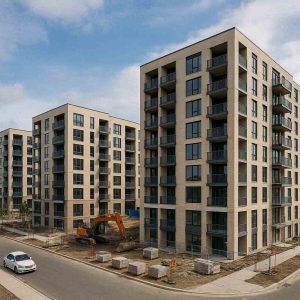 Residential developers operate at the center of business and finance. Every project starts with careful planning. Land cost, construction expenses, and market demand must align. Without balance, even good designs can fail.
Lentor Gardens developer studies financial trends before building. Interest rates, lending rules, and buyer behavior affect decisions. Timing matters as much as design. Projects launched at the right time perform better.
Cash flow management is critical. Developers must fund construction while waiting for sales. Strong financial planning keeps projects moving without delays. This stability builds buyer confidence.
Risk assessment guides development choices. Developers avoid overbuilding features that raise costs without adding value. Practical designs protect margins and support pricing.
Location decisions are also financial decisions. Areas with growth potential attract buyers and investors. Developers analyze transport access and nearby services. These factors affect long-term value.
Partnerships matter as well. Developers work with contractors, designers, and lenders. Clear financial agreements reduce conflict and delays. Smooth execution supports brand reputation.
In the end, strong business planning supports better homes. Buyers benefit from projects that are well-funded and well-managed.
What Buyers Should Know About a Residences Developer
A developer’s track record matters. Past projects show how promises turn into reality. Buyers should review completed developments, not just plans.
Financial strength is important. Developers with stable funding complete projects on time. This reduces stress for buyers waiting for turnover.
Transparency builds trust. Clear pricing, timelines, and specifications help buyers plan. Developers who communicate well attract repeat buyers.
Quality control reflects financial discipline. Developers who manage costs wisely do not cut corners. Durable materials and proper construction protect long-term value.
Developers also influence community design. Shared spaces, access roads, and amenities shape daily life. Good planning shows respect for residents.
Compliance is another key area. Developers must follow regulations and safety standards. Strong governance protects buyers from legal issues.
After-sales support matters too. Developers who maintain properties protect resale value. This reflects long-term business thinking.
Brand reputation grows through consistency. Developers who deliver as promised earn trust. Trust supports future projects and stable pricing.
Buyers should view developers as long-term partners. A reliable developer supports peace of mind beyond purchase.
Why Developers Matter in Long-Term Financial Value
A residence is more than a unit. It is part of a larger development. The developer’s decisions affect value over time.
Well-planned developments age better. Proper spacing, greenery, and infrastructure reduce future issues. This supports stable property value.
Maintenance planning starts at development stage. Smart designs lower future repair costs. This benefits owners and investors.
Developers also influence market perception. Well-known developers attract demand. Higher demand supports price stability.
In rental markets, developer reputation matters. Tenants prefer well-managed communities. This supports occupancy and income.
Developers who plan for sustainability protect future value. Energy-efficient designs reduce operating costs. This aligns with long-term financial goals.
Resale value is tied to developer quality. Buyers pay more for trusted names. This supports exit strategies for investors.
Economic shifts test developers. Those with strong financial foundations adapt better. Their projects remain stable during downturns.
Developers also shape lifestyle value. Well-designed communities improve daily living. This non-financial value still affects demand.
For investors, choosing the right developer reduces risk. It protects capital and supports growth.
In business and finance, trust is earned through delivery. Residences developers who plan well create value beyond construction. They build confidence, stability, and long-term returns.